
After 25 Years Behind Bars, Daniel Villegas Was Finally Found Innocent
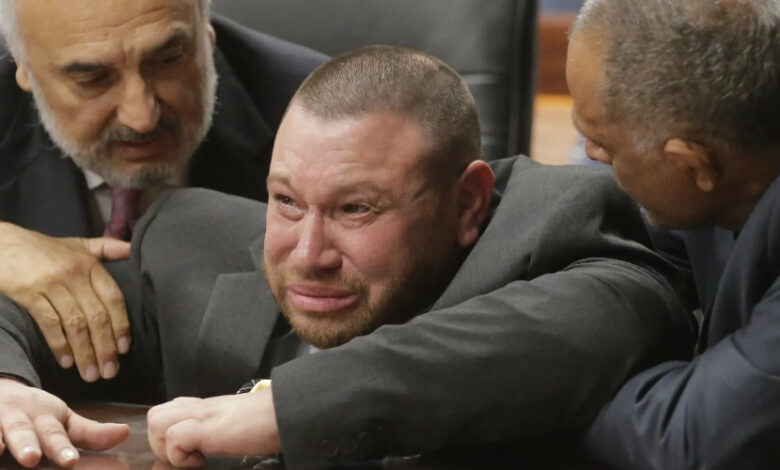
A decades‑long fight for justice ends with exoneration—highlighting both tragedy and hope in the system.
Imagine being just 16 years old, sitting in an interrogation room, scared and alone. Now imagine spending the next 25 years of your life in prison for something you didn’t do. That was Daniel Villegas’ reality—one that tore through his youth, shaped his adulthood behind bars, and ended in a courtroom with a jury finally saying, “Not guilty.”
His case isn’t just about a wrongful conviction—it’s about the cost of getting it wrong, and the strength it takes to keep fighting when the world moves on without you.
The Crime, and the Fast Track to Prison
In 1993, a double homicide shook El Paso, Texas. It was a drive-by shooting. Quick, chaotic, and tragic.
Daniel, only 16 at the time, was brought in as a suspect. According to reports, police said he confessed—under pressure, without a lawyer or parent present. That so-called confession became the linchpin of his conviction, despite no physical evidence linking him to the crime.
He was sentenced to life.
Just like that, a teenager became a convicted murderer.
Life on the Inside — While the World Kept Spinning
Think about everything that happens in 25 years.
The internet went mainstream. Cellphones became smartphones. Social media was born.
And Daniel was still in prison.
He missed prom, graduation, college. Birthdays came and went. Family members aged. Friends disappeared.
His world was static, while everyone else’s moved on.
But through it all, he insisted on his innocence. He never stopped hoping the truth would one day catch up with the system that failed him.
The Long Road to Exoneration
Daniel’s second trial came in 2018—two and a half decades after his conviction. New evidence, new legal representation, and new attention to the case brought a very different outcome.
The jury deliberated. And this time, they saw what the system hadn’t the first time: Daniel was not guilty.
When the verdict came down, he broke down in tears. So did many in the courtroom.
Finally, the truth had a voice.
What Freedom Really Looks Like After 25 Years
Walking out of prison after so long isn’t like waking up from a bad dream. It’s confusing. Overwhelming. Emotional.
Daniel emerged a 41-year-old man in a world that had left him behind.
He had to:
- Rebuild his identity in a digital society he’d never really known.
- Find housing and work with a resume frozen at age 16.
- Reconnect with people who had aged, changed, or passed away.
Texas law offers compensation—about $80,000 per year for wrongful imprisonment. That could mean a multi-million dollar payout for Daniel. But no amount of money can rewind a quarter-century of missed life.
What Daniel’s Story Tells Us
His case isn’t just about one man. It reveals something deeper:
- The justice system gets it wrong more than we think.
- False confessions happen. Especially under pressure.
- Retrials and new evidence should never be a luxury.
The criminal justice system, while meant to protect, is only as good as its willingness to admit mistakes—and fix them.
Looking Ahead
Daniel Villegas is now one of many exonerees in the U.S.—people who were declared innocent long after being locked away.
And for every Daniel, there are others still waiting.
So what can we do?
- Support organizations like the Innocence Project.
- Push for laws that require regular evidence re-examination.
- Educate others about how easily coercion and error can lead to a life destroyed.
My Take
Daniel’s story hit me hard. Maybe because it’s so raw. So real.
He could’ve been anyone’s brother. Anyone’s son.
He reminds us that the courts don’t always get it right—but that perseverance, truth, and good people on your side can still turn the tide.
We owe it to people like Daniel to pay attention—and to keep fighting for a justice system that lives up to its name.