
Trump Just Yanked $4 Billion from Green Energy. What Does That Say About Where We’re Headed?
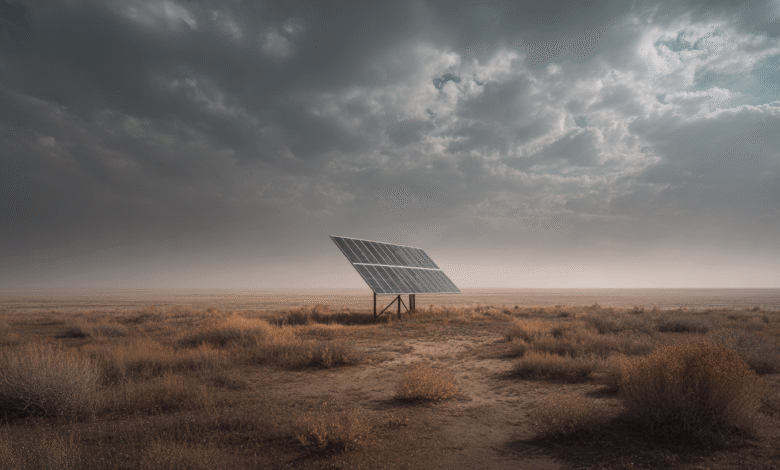
The funding’s gone. The message? Even louder.
So here’s the situation.
The Biden administration had previously allocated $4 billion through the Department of Energy to support green energy projects — solar, wind, EVs, battery tech, and more. It was part of a broader push to make the U.S. a serious player in the global energy transition.
But now, under President Trump’s new term, that money is officially off the table.
The administration announced this week that it’s rescinding the $4 billion commitment. The reasoning? According to statements, it’s about redirecting funds toward what they call “more balanced, practical energy solutions” — code for fossil fuels, natural gas, and oil.
This isn’t just a budget cut — it’s a signal
Pulling this kind of money doesn’t just slow things down — it sends a clear message about where the current leadership stands on clean energy.
If you’ve been following Trump’s energy policy over the years, this isn’t surprising. He’s long been skeptical of renewables and has consistently pushed for American dominance in oil, gas, and coal. This move just confirms that we’re going back to that playbook.
So who’s impacted?
A lot of people, honestly.
- Startups building new solar tech or battery storage solutions.
- Cities and states trying to meet their own climate goals.
- Job markets in clean energy sectors that were just starting to boom.
- And really — anyone who thought the U.S. was going to lead the way into a cleaner, more sustainable future.
The $4 billion was part of a larger ecosystem of support. Without it, some companies will stall. Others may fold. And future projects may never even get off the ground.
What’s the bigger picture?
It’s not just about politics. It’s about direction.
The rest of the world isn’t slowing down. Europe and China are investing heavily in renewables. Private companies are making bold climate commitments. And globally, green energy is becoming a core part of economic strategy — not just environmental policy.
So when the U.S. pulls this kind of funding, it’s not just turning inward. It’s risking falling behind.
My take
Look, I get it — not everyone agrees on how fast we should be moving toward renewables. There are real questions about cost, infrastructure, and reliability. Those are fair conversations to have.
But gutting funding like this isn’t a conversation. It’s a shutdown.
I don’t think this is about “realism” or “balance.” It feels more like a political choice dressed up as policy — a way to reverse what the last administration did, even if it means stalling progress in areas where we were finally gaining momentum.
At the end of the day, this is a reminder: clean energy in the U.S. isn’t just fighting climate change. It’s fighting for political survival. And for now, it’s losing ground.
If you found this post useful or frustrating (or both), feel free to share. I write about the crossroads of tech, policy, and power — because that’s where the real stories are.