
Turning Moon Dust Into Resources: A Simple Device That Extracts Water, Oxygen, and Fuel from Lunar Soil
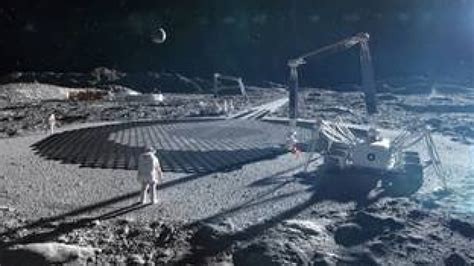
A solar-powered system turns lunar soil into life-support supplies—paving the way for sustainable moon bases.
What if the key to sustainable space exploration was hiding in plain sight—right beneath our boots on the Moon?
A new study by Chinese researchers introduces a deceptively simple device with revolutionary potential: a system that can convert lunar regolith (Moon soil) into water, oxygen, and fuel. This isn’t science fiction or a distant dream—it’s a real experimental technology, and it could drastically reshape how humanity explores and inhabits the solar system.
The Challenge of Off-Earth Resources
Launching supplies from Earth is expensive. Whether you’re sending a bottle of water or a tank of fuel, every extra kilogram adds to mission costs. That’s why in-situ resource utilization (ISRU)—the practice of using local materials for life support and fuel—has become a major goal of space agencies worldwide.
The Moon, being relatively close and rich in mineral content, is the perfect place to begin. But the technical hurdles are steep: how do you efficiently extract usable materials from rock and dust without massive machinery?
The Breakthrough Device
According to the researchers, the new system uses solar energy and molten salt electrolysis to extract critical resources from lunar soil simulants. Here’s what it does:
- Oxygen Production: Using electrochemical reactions, the device splits oxides in regolith and releases oxygen—essential for breathing and rocket combustion.
- Water Synthesis: Hydrogen is added into the process, combining with released oxygen to produce water molecules.
- Hydrocarbon Fuel: With additional catalytic steps, the system can generate hydrocarbon-based fuels, potentially usable in return missions or as an energy reserve.
What’s striking is that the entire process is powered by sunlight—an abundant resource on the Moon’s surface. The device operates at around 950°C, heated by a Fresnel lens concentrating sunlight—removing the need for nuclear or chemical heat sources.
How It Works (Simplified)
- Molten Salt Bath: Lunar soil is dissolved in a bath of molten salts.
- Electrolysis: An electrical current (powered by solar panels) passes through the bath, freeing oxygen gas from metal oxides.
- Hydrogen Injection: Controlled hydrogen inputs allow for the synthesis of water and other useful compounds.
- Fuel Conversion: Catalysts help convert excess hydrogen and carbon into methane or hydrocarbons—possible rocket fuel.
All this takes place in a relatively compact, modular system. It’s designed for low-maintenance operation, making it ideal for use in harsh lunar environments.
Implications for Space Exploration
This innovation could fundamentally change the economics and logistics of Moon missions. Consider the possibilities:
- Lunar Bases: Astronauts could live longer and safer with locally sourced air and water.
- Fuel Depots: The Moon could host refueling stations for missions to Mars and beyond.
- Emergency Support: In the event of mission delays or damage, on-site production of essentials could save lives.
Moreover, this system paves the way for similar methods on Mars or asteroids, where regolith and solar energy are also abundant.
What It Means for Earth
The technology isn’t just for astronauts. The principles behind this system—using solar-powered electrochemical reactions to extract resources from dirt—could inspire sustainable solutions on Earth, especially in remote or resource-poor areas.
Imagine desert-based systems that use local sand and solar heat to produce water or fuel. The space race has always driven technological innovation—this could be the next big leap.
My Take
This development is a beautiful example of elegant engineering: simple inputs, smart science, and massive impact. It doesn’t rely on giant infrastructure or fantasy tech. It works with what’s there—dust, sunlight, and chemistry.
If humanity is serious about going interplanetary, we’ll need more tools like this—compact, efficient, and capable of turning the Moon into a supply depot, not just a destination.
It’s not just a machine—it’s a milestone. Because whoever controls the resources of the Moon might control the future of space.