
One Shot to Slim: Japanese Breakthrough in Genetic Weight Loss
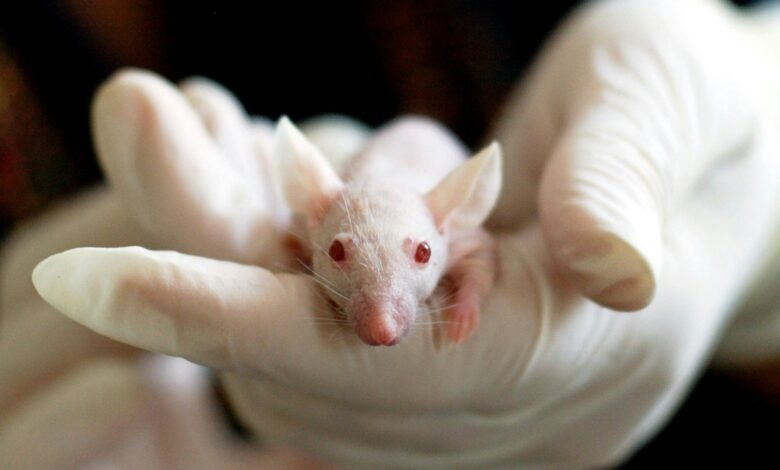
Scientists reprogram obese mice with a single injection to produce their own version of Ozempic—and it works.
In a groundbreaking study that could reshape the future of obesity treatment, Japanese researchers have successfully used gene editing to help obese mice lose weight—by programming their own bodies to continuously produce a drug that mimics Ozempic, the popular diabetes and weight loss medication.
The experiment, conducted by scientists at the University of Tokyo and RIKEN, involved a one-time genetic injection that activated the production of a GLP-1 analog, the same class of compound that makes drugs like Ozempic (semaglutide) so effective.
The results? Significant, sustained weight loss in mice without any daily dosing, external medication, or dietary changes.
Read the full study on bioRxiv (preprint)
How the Shot Works
Instead of repeatedly injecting semaglutide like current patients must, the researchers inserted modified DNA into the mice using a single CRISPR-based vector. That vector encoded instructions for liver cells to continuously express GLP-1, the hormone that regulates appetite and blood sugar levels.
GLP-1 drugs like Ozempic and Wegovy have revolutionized weight management by:
- Slowing digestion
- Reducing appetite
- Regulating insulin
The twist? These mice didn’t receive synthetic drugs—they made the hormone themselves.
Within weeks, the mice showed:
- Lower body weight
- Reduced fat deposits
- Improved glucose tolerance
- No observed negative side effects (over the short term)
Why This Is Revolutionary
If this technique translates to humans, it could eliminate:
- The need for daily or weekly injections
- The high cost of synthetic GLP-1 drugs
- Supply chain issues and accessibility gaps
The therapy could also provide a more stable, long-term solution—especially in regions where ongoing access to medication is limited.
“This could fundamentally change the way we approach chronic weight management,” said Dr. Kenji Yamamoto, a co-author of the study.
What About Safety?
Experts are optimistic—but cautious. Genetic interventions raise valid concerns, including:
- Uncontrolled hormone expression
- Immune response risks
- Long-term reversibility
The researchers used a gene switch mechanism to limit overproduction, but large-scale human trials would be needed before any clinical application.
Still, the approach offers an exciting proof of concept for gene-edited therapeutics—not just for obesity, but potentially for other chronic conditions like diabetes, cardiovascular disease, and even neurodegeneration.
Why This Matters Globally
Obesity is a global epidemic. According to the World Health Organization (WHO), over 650 million adults worldwide are obese, and the number continues to rise. GLP-1 drugs are effective—but expensive and limited in supply.
If a single-shot gene therapy could replicate the benefits of semaglutide without weekly injections, it could:
- Slash healthcare costs
- Expand access in developing nations
- Help millions of people manage weight and related illnesses more sustainably
My Take
This development feels like something out of a sci-fi novel—but it’s real science, grounded in existing biological mechanisms. As Ozempic reshapes the pharmaceutical market, gene-based delivery could offer a second revolution: democratizing access and eliminating the burden of routine injections.
Of course, human trials are years away, and ethical questions abound. But the direction is clear: The future of medicine may not be about taking more pills—but reprogramming the body to heal itself.